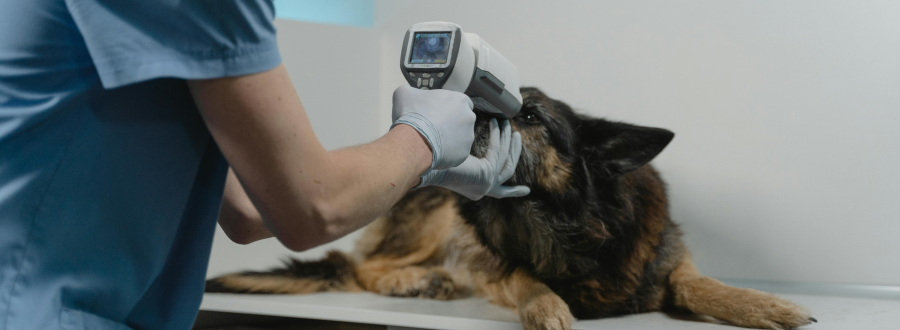
In today’s veterinary landscape, in-house laboratories have shifted from a luxury to a strategic asset. Beyond improving patient outcomes, on-site diagnostic testing can elevate client satisfaction, streamline operations, and significantly boost a practice’s financial performance.
Turnaround Time
One of the most compelling reasons veterinarians adopt in-house labs is rapid turnaround time. Outsourcing samples to external reference labs often means waiting 24–48 hours for results — a delay that can postpone critical treatment decisions and frustrate clients. (1) In contrast, in-house diagnostic systems can deliver test results within minutes, allowing veterinarians to make informed clinical decisions during the same visit. This immediacy enhances patient care, particularly in emergency cases such as seizures or suspected organ failure where minutes matter. (2)
Client Satisfaction
Client satisfaction and perceived value also improve notably with same-day results. A study of point-of-care testing reported that 60–63 % of pet owners value rapid diagnostics and are willing to pay for it, translating to increased compliance and repeat visits. (3) When diagnostic results are available immediately, veterinarians can discuss treatment plans while the client is still in the clinic — strengthening informed consent and trust in the clinician’s recommendations. (1)
Testing Frequency
From a clinical standpoint, in-house labs encourage more frequent and routine testing. In the United States, approximately 70 % of sick pets receive blood testing, compared to around 30 % in markets where in-house diagnostics are less common. (4) Similarly, 50 % of pets undergoing wellness visits in the U.S. receive bloodwork — a rate far exceeding practices without on-site capabilities. (4) These data highlight how readily available diagnostics improve early disease detection and preventive care.
Retained Revenue
In terms of the financial impact, in-house lab testing captures revenue that would otherwise flow to external labs. Practices often see an increase in diagnostic test volume after adopting in-house systems, along with savings from eliminating shipping and handling fees. (1) Over time, the revenue generated from routine labs and bundled diagnostic packages can offset the initial investment in equipment. Strategic use of in-house testing can also broaden billable services by allowing veterinarians to charge for both the test and its professional interpretation.
Workflow Efficiency
In-house testing enhances workflow efficiency as well. Eliminating the need to prepare, package, and track samples for external shipment frees staff time for patient care and improves sample integrity by limiting transport-related degradation. (1) It also reduces follow-up calls to clients about delayed results, improving overall clinic productivity.
As diagnostic technology advances — from biochemistry panels to inflammation markers like canine C-reactive protein — clinics with on-site labs are better positioned to adopt cutting-edge tests that further differentiate their services. (4)
Overall, adding an in-house lab can transform a veterinary practice by speeding diagnosis, improving care, increasing revenue, and enhancing client satisfaction — making it a wise investment for forward-thinking clinics.
Table: Common In-House Veterinary Tests & ROI Potential
Test | Typical Turnaround | Role in Practice | ROI Potential |
Complete Blood Count (CBC) | Minutes | Routine wellness & sick patient screening | High – frequent use generates steady revenue |
Serum Chemistry Panel | Minutes | Organ function, electrolytes | High – core diagnostic for most patients |
Urinalysis | Minutes | Kidney/urinary health assessment | Medium – supports broader testing packages |
Fecal Examination | Minutes | Parasite detection | Moderate – routine preventive care |
Canine C-Reactive Protein (cCRP) | Minutes | Inflammation monitoring | Growing – emerging preventive & wellness tool |
Heartworm/Parvo SNAP tests | ~10–15 min | Infectious disease screening | High – common in young/at-risk pets |
Thyroid Panels (T4) | Minutes | Endocrine disorder detection | Medium – targeted diagnostic |
Notes: ROI categories are estimates based on frequency of use and billing potential. In-house testing often reduces external lab fees and increases client compliance, improving profitability over time. (1, 3)
Sources:
1. Rapid turnaround and operational benefits from in-house labs improve clinical workflow and client value. Veterinary Practice News
2. Same-visit testing supports critical clinical decisions in emergency and routine cases. Gentle Touch Animal Hospital
3. A survey reported 60–63 % of pet owners value rapid point-of-care results and are willing to pay. Vetfolio
4. Adoption and usage statistics for in-house testing in the U.S. vs. other markets. Veterinary Practice